Tuesday, 29 May 2018

Top Pathology Conferences 2018 | Pathology Congresses | CME Meetings | Europe

Pathology & Cancer Epidemiology


PATHOLOGY AT THE FOREFRONT OF THE FIGHT AGAINST HIV 

Since HIV initially showed up in Australia just about forty years prior, there have been tremendous headways in analysis and treatment. Nowadays, HIV testing is over 99% precise and giving there is progressing treatment, individuals living with the infection can live full and sound lives. 

We sat down with Stephen Adelstein, Director of Clinical Immunology and Allergy for NSW Health Pathology at the Royal Prince Alfred Hospital, to take in somewhat more around a region of pathology that has been so effective. 

We should start toward the start. How is HIV analyzed? 

The analysis of HIV relies upon the identification of antibodies to the infection or the infection itself in blood. 

Numerous tests for irresistible ailments rely upon the identification of antibodies to the irresistible life form or antigens from the irresistible life form, which are essentially, the parts of that creature. 

Since the mid 1980s, the test has been continuously enhanced and it is currently likely the most exact test we need to distinguish any irresistible operators, beside atomic strategies. 

The present test we have is over 99% affectability which implies it is to a great degree far-fetched to miss a constructive individual. What's more, the specificity is around 99.5% so anyone who doesn't have HIV disease won't be certain. 

A note on screening and false positives 

Since HIV is a low-common condition in the overall public, on the off chance that you utilize the test to screen everybody, there's greater probability of getting a false positive outcome. 

In Australia HIV influences under 1 for every penny of grown-ups so isn't a typical condition. We additionally realize that there are individuals inside the all inclusive community who have no or okay of being presented to the infection; for example individuals who are not sexually dynamic and have never utilized intravenous medications. 

The predominance of an illness is critical in translating test comes about and in choosing whether to utilize a test for wide screening, and who you screen. 

Indeed, even with a very precise test, false positives are as yet conceivable and will probably happen in the event that you are screening countless who are generally safe. 

Would you be able to clarify the HIV testing process? 

At first, there's a screening test, which is the thing that I've just specified. On the off chance that that is certain (and on the grounds that we would prefer not to recognize false positives) it at that point experiences a moment screening test, which is known as a 

Western Blot – a more particular blood test. 

On the off chance that the Western Blot is sure too, at that point it's exceedingly likely that the individual has been presented to the HIV infection. At this stage the individual can have an atomic test, which is likewise a blood test which hopes to identify the nearness of the infection itself and measure the measure of infection that is in there. 

On the off chance that the Western Blot Test is more particular, for what reason not do that first? 

Simply, it is less delicate as a screening test (that isn't everybody who is contaminated will be certain) and it's significantly more costly and hard to perform. Because of the low pervasiveness of HIV it bodes well to offer a more available screening test in the main occasion. The underlying test that we utilize helps continue testing moderate and oversees diagnostics secury. 

When HIV is analyzed, how is it treated? 

HIV influences and crushes T (cells in the blood that are a piece of the insusceptible framework). Since it does that you can screen what its impact is probably going to be by estimating the quantity of T-cells that are available in a man's blood. The lower the quantity of T-cells, the more probable that individual is to get what are called astute contaminations – which are essentially diseases that live in everyone, that our safe frameworks are typically ready to control. However when your T-cells are demolished, your resistant framework winds up smothered and you will probably get sick. 

Contingent upon what number of T-cells that individual has, and how much infection is in the blood, it is likely that a great many people will be offered hostile to retroviral treatment which murders the infection and thusly T-cell numbers can be reestablished and consequently HIV and AIDS is a controllable and treatable perpetual sickness that, if you take your treatment, individuals can live ordinary lives.


Friday, 25 May 2018

17th CME International Conference on Pathology & Cancer Epidemiology

17th International Conference on


Pathology & Cancer Epidemiology

More details visit: https://pathology.euroscicon.com/
Entire slide imaging (WSI), otherwise called advanced pathology or virtual pathology, is an innovation that includes rapid, high-determination computerized obtaining of pictures speaking to whole recolored tissue segments from glass slides in an organization that enables them to be seen by a pathologist on a PC screen, where the picture can be amplified and explored spatially similarly as standard microscopy.1 These pictures can be used for conclusion by pathologists, making an advanced work process that forestalls the utilization of regular splendid field light microscopy (consequently alluded to as "microscopy"). Before substituting the noble, comfortable and flexible magnifying instrument with WSI, a few substantial concerns should be tended to. The most basic one is whether pathologic judgments rendered utilizing WSI are practically identical with (ie, noninferior to) analyze made by microscopy.

Earlier examinations have contrasted WSI and microscopy in a few unique settings in analytic pathology, including solidified segment analysis, meeting cases,3,4 troublesome careful pathology cases,5 and pathology of particular organ frameworks or subspecialties.6– 30 College of American Pathologists (CAP) rules distributed in 2013 suggest that each planned utilize be bolstered by a different approval study.1 One expected use in careful pathology is essential determination, characterized as building up a last conclusion exclusively by audit of computerized pictures without the utilization of microscopy. Just a couple of approval considers have tended to the utilization of WSI for essential analysis in careful pathology over a wide assortment of example composes from various organ systems.31– 42 Most of these have included generally little quantities of cases, and numerous were not adequately controlled to conclusively show that WSI is noninferior to microscopy for this reason. In a few investigations, issues with consider configuration may have presented the likelihood of predisposition. Components making a danger of predisposition incorporate patient choice, file test, reference standard, stream and timing, as of late portrayed in detail by Goacher et al.43 An outstanding case is the wash-out period; thinks about with an insufficient wash-out period amongst tiny and WSI peruses present the likelihood of review inclination. Concentrates that incorporate perusers in the mediation procedure may present a component of predisposition in deciding if analyze made by microscopy and WSI are concordant. Because of this foundation, the essential goal of our investigation was to exhibit that WSI is noninferior to microscopy for essential determination over the whole scope of careful pathology hone. Solidified segment and cytology cases were prohibited. Hematopathology cases were likewise overlooked on account of regular utilization of higher amplification goals.

#pathology #cancer #epidemiology #pathdoctor #medicine #residentlife #physician #doctor #nurse #medlife #healthcare #hospital #stethoscope #clinic #medicalschool #nursingschool  #pathresidents #pathologist #pathologists #SLPeeps #surgery

Monday, 23 April 2018

Avail 21 CME hours of Pathology Conference at Pathology 2018

17th International CME Conference on

Pathology & Cancer Epidemiology

The restriction has discharged political promotions blaming the legislature for intending to privatize Medicare and cautioning of higher wellbeing costs in future – a battle Prime Minister Malcolm Turnbull has called "remarkably deceptive." 

As a feature of Labor's Medicare crusade, shadow wellbeing priest Catherine King said that the legislature has "cut mass charging installments for pathology and demonstrative imaging to influence patients to pay more". Motivators worth between $1.40 to $3.40 are paid direct to pathology specialist organizations to urge them to mass bill. 

Is King right? 

Checking the source 

The Conversation approached Labor battle media for sources to help Catherine King's announcement however did not hear back before due date. 

Wellbeing Minister Sussan Ley has contended that mass charging motivating forces are not intended to be utilized to cross-finance different expenses of working together for substantial organizations – some of which are claimed by private value firms – when social insurance costs are developing. 

From 'Don't Kill Bulk Bill' to an arrangement on lease 

In its December 2015 Mid-Year Economic Fiscal Outlook, the Coalition government reported a suite of mass charging changes went for sparing $650 million more than four years. It proposed evacuating mass charging impetuses for pathology and symptomatic imaging administrations. 

MYEFO 2015-16 

Pathology Australia, which incorporates huge players, for example, Genea and Sonic Healthcare Group among its individuals, has been fundamental to how this issue has unfurled. Pathology Australia says its part associations play out a larger part of pathology testing inside the private area. 

Pathology Australia gathered almost 600,000 marks for its "Don't Kill Bulk Bill" crusade, which cautioned that patients would confront costly pap smears and other expensive tests because of government's evacuation of the mass charging motivating force for pathology administrations. 

In May, Pathology Australia shut its Don't Kill Bulk Bill battle in the wake of hitting an arrangement with the administration, went for guaranteeing pathology specialist organizations who co-found their gathering rooms inside a GP's building were charged "honest esteem" rents. 

The mass bill motivating force evacuation is as yet proceeding, however the thought is that numerous pathology specialist co-ops may now be better ready to assimilate the cost on the off chance that they're getting a less expensive arrangement on lease – as opposed to passing the additional cost onto patients. 

Scratch Musgrave, leader of Pathology Australia, revealed to The Conversation that: 

Choices in regards to charging hones are made by singular pathology suppliers … The administrative changes declared by the Coalition to control over the top rents for pathology accumulation rooms will empower suppliers to all the more promptly keep up current charging hones as would the support of current subsidizing. Without both of these measures, suppliers had demonstrated they would not have possessed the capacity to keep up current abnormal amounts of mass charging. 

Musgrave said the arrangement to direct leases for gathering rooms will "all the more promptly empower pathologists to keep up current charging hones" regardless of whether they are individuals from Pathology Australia. (You can read his full reaction here.) 

Be that as it may, some other pathology specialist organizations have said the arrangement with the legislature doesn't consider. 

Not all pathologists 

Pathology is never again a little industry, with the Sonic gathering announcing yearly income of about $4 billion – however not all organizations are on this scale. 

Catholic Health Australia is one of the specialist organizations that says the arrangement doesn't consider. This gathering likewise speaks to pathology specialist organizations, incorporating numerous in provincial and rustic regions. 

As indicated by its representative: 

Autonomous and not-revenue driven pathology suppliers may need to embrace co-installments essentially all together for their administrations to stay feasible … Turnbull's arrangement with 'the pathology part' was made without considering not-revenue driven suppliers. 

The gathering said that the rents arrangement will: 

lopsidedly help the bigger corporate suppliers and won't be adequate to satisfactorily balance the cuts forced on littler suppliers by evacuating the mass charging impetuses. 

You can read Catholic Health Australia's full remark here. 

Thus, regardless of whether you'll pay more for pathology tests after July 1 depends generally on who possesses that training or pathology specialist co-op, and whether they can bear to assimilate the cost of the progressions themselves or pass on these expenses to patients. 

Work has promised to switch slices to the Medicare Benefits Schedule pathology mass charging motivations – which it accepts will enhance access to mass charged pathology administrations, yet would likewise drive up the cost to citizens. 

Others, for example, the Grattan Institute, contend that there are ways spare cash in pathology, saying that: 

tolerant co-installments for tests ought to be abrogated. Patients aren't the genuine buyers of pathology tests – the specialists who request and utilize them are. 

Shouldn't something be said about sweeps? 

The rents bargain struck between the legislature and Pathology Australia doesn't cover checks. 

Australian Diagnostic Imaging Association (ADIA), which speaks to private suppliers of radiology administrations, said the rents bargain was "limited consolidation for the a great many patients requiring fundamental radiology administrations". 

The administration intends to evacuate mass charging motivator installments for radiology benefits in January 2017. Be that as it may, ADIA has secured a dedication from the administration to "work with the symptomatic imaging division on auxiliary changes to furnish patients with conviction on reasonable access to administrations". 

The audit will occur before January 2017. 

ADIA has likewise said that patient discounts for symptomatic imaging have been solidified since 1998, with tolerant holes now averaging $100, and has voiced worry that Labor's promise to turn around the choice to expel the mass charging motivator does not go sufficiently far. Work has said it will reestablish indexation in January 2017 to all administrations gave by GPs, associated wellbeing and other wellbeing professionals and medicinal experts – yet that outputs are excluded. 

ADIA has approached Labor to extend its indexation decision guarantee to incorporate demonstrative imaging specialist co-ops as well. 

Decision 

Catherine King was on the whole correct to state that in its first term of office, the Coalition government cut mass charging installments for pathology and demonstrative imaging. That is planned to happen on July 1, 2016, for pathology administrations and in January 2017 for radiology administrations. 

In any case, the second piece of her announcement – "to influence patients to pay more" – didn't recount the entire story. Pathology Australia's arrangement with the administration on lease direction implies a few pathologists might have the capacity to keep mass charging. Others, be that as it may, may not. 

Regardless of whether patients will pay more because of the mass charging motivating force expulsion relies upon whether your pathology or radiology specialist organization passes on the cost to clients. – Helen Dickinson 

Survey 

This is a sound FactCheck. I would additionally take note of that the Grattan Institute reports that just about 99% of pathology tests for out-of-healing facility patients are mass charged, an expansion from 93% 10 years back. 

St John of God, an expansive not-revenue driven wellbeing gathering, is pitching its pathology activities to Clinical Labs. The expulsion of the mass charging motivating force installment may have set them in a place where they would have passed expanded expenses onto patients. 

The unmentioned driver behind the increasing expense to the wellbeing spending plan of pathology mass charging is clinicians honing guarded solution – GPs and masters sensibly requesting tests "no doubt" or "safe", even where it may not be needed.– Bruce Baer Arnold.

Monday, 12 March 2018

What is Pathology? Join the CME & CPD Accredited 17th International Conference on Pathology during October 08-09, 2018 at Edinburgh, Scotland

WHAT IS PATHOLOGY?
Pathology is a branch of therapeutic science that includes the investigation and conclusion of illness through the examination of surgically expelled organs, tissues (biopsy tests), natural liquids, and now and again the entire body (post-mortem). Parts of a real example that might be considered incorporate its gross anatomical make up, appearance of the cells utilizing immunological markers and compound marks in the cells. Pathology likewise incorporates the related logical investigation of sickness forms whereby the causes, instruments and degree of infection are analyzed. Territories of study incorporate cell adjustment to damage, putrefaction (passing of living cells or tissues), irritation, wound mending, and neoplasia (irregular new development of cells). Pathologists work in an extensive variety of ailments including growth and most by far of malignancy analyze are made by pathologists. The cell example of tissue tests are seen under a magnifying instrument to help decide whether an example is harmful or non-destructive (kindhearted). Pathologists likewise utilize hereditary investigations and quality markers in the appraisal of different illnesses.
SURGICAL PATHOLOGY


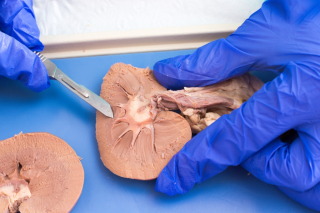
Surgical Pathology is the most noteworthy and tedious branch of pathology with an essential spotlight on looking at tissues with the stripped eye or under a magnifying instrument for complete determination of illness. Surgically expelled examples are gotten from sources, for example, little biopsies of skin, center biopsies for the finding of malignancy, and the working room where tumors are evacuated. Surgical pathology includes plainly visible (net) and infinitesimal (histologic) tissue investigation where the sub-atomic properties of tissue tests are surveyed by immunohistochemistry or other research center tests.

Histological areas of tissue are handled for minute review utilizing either substance obsession or solidified segment. Solidified area handling includes solidifying the tissue and creating slim solidified cuts of the example which are mounted onto glass slides. Preceding review the tissue under a magnifying lens, slides prepared by concoction obsession or solidified area are either recolored with chemicals or antibodies to uncover cell parts.

Post-mortem examination is an exceptionally concentrated surgical methodology that is performed by a pathologist and comprises of an intensive examination of a carcass to decide the reason and way of death and to assess any infection or damage that might be available. The essential point of a post-mortem examination or after death examination is to decide the reason for death, the condition of wellbeing of the individual before they kicked the bucket, and whether any medicinal determination and treatment before death was fitting.
CYTOPATHOLOGY
Cytopathology is a branch of pathology that reviews and judgments maladies on the cell level. It is typically used to help in the determination of growth, yet additionally helps in the conclusion of certain irresistible ailments and other provocative conditions. Cytopathology is by and large utilized on tests of free cells or tissue sections that unexpectedly peel or are expelled from tissues by scraped area or fine needle goal, rather than histopathology, which contemplates entire tissues.
MOLECULAR PATHOLOGY
Molecular Pathology is a moderately late train that has accomplished astounding advancement over the previous decade. It stresses the investigation and analysis of infection through the examination of atoms inside organs, tissues or natural liquids. Numerous sicknesses, for example, growth are caused by transformations or modifications in the hereditary code of a man, and distinguishing proof of particular trademark changes enables clinicians to arrange an infection and pick the proper treatment. Thus, atomic investigation is driving the route towards customized pharmaceutical by enabling us to foresee a patient's reaction to certain against malignancy treatment in light of their own hereditary make-up. Atomic Pathology incorporates the advancement of sub-atomic and hereditary ways to deal with the conclusion and grouping of human tumors and furthermore to outline and approve prescient biomarkers for guess of the illness, and helplessness of building up specific diseases in people. The elevated amounts of affectability gave by sub-atomic measures permits to the location of little tumors that are generally imperceptible by different means, and will probably bring about prior conclusion, enhanced patient care and better results for survival.

Visit Us

17th International Conference on

Pathology & Cancer Epidemiology

Mail Us

E-mail us your questions about the conference. We will respond to your questions.

Friday, 9 February 2018

17th International Conference on Pathology & Cancer Epidemiology | Visit: https://pathology.euroscicon.com/


Prognostic and predictive clinicopathologic factors of squamous anal canal cancer in HIV-positive and HIV-negative patients: Does HAART influence outcomes?

Pappou EP, et al. - Researchers aimed at delineating outcomes of anal squamous cell carcinoma (SCC) treatment in HIV-positive and human immunodeficiency virus (HIV)-negative patients. They observed that among patients with anal SCC, HIV infection was not associated with a significantly higher relapse rate or worse 5-year overall survival. A higher rate of relapse was evident in association with highly active antiretroviral therapy (HAART) in HIV-positive patients. Regardless of HIV status, AJCC staging predicted survival in both relapsed and non-relapsed patients.
Methods
•           Researchers performed a retrospective single-institution analysis on all patients with anal SCC treated at the JohnsHopkins Hospital between 1991 and 2010.
•           Five-year overall survival (5-year OS), median survival, and relapse rates were the primary outcome measures.

Results
•           Ninety-three patients with anal SCC were identified (mean age was 54 years; 37.6% were male, and 21.5% were HIV-positive).
•           Patients were followed-up for a median period of 28 months.
•           In 16.1% of patients, relapse occurred; median time was 20 months.
•           With HIV-positive vs negative patients, relapse rates were slightly higher (30.0 vs 12.3%), however, the difference did not reach statistical significance (p=0.06).
•           Patients who relapsed were more likely to be on HAART than those who did not relapse (83.3 vs 14.3%, p=0.007) among HIV-positive patients.
•           For the total group of patients, 5-year OS was 58.9%; no significant difference was evident between those who relapsed vs those who did not (76.2 vs 54.5%, p=0.20).
•           HIV-positive and negative patients showed no survival difference.
•           In all patients, survival was associated with AJCC stage.
For more details visit: 
https://pathology.euroscicon.com/


Wednesday, 7 February 2018

Pathology Conferences 2018 | October 08-09, 2018 | Edinburgh, Scotland | https://pathology.euroscicon.com/

Pathology & Cancer Epidemiology

Course Objectives


During the course, the participants will review a total of 200 cases of benign and malignant cutaneous tumors including 50 cases each of melanocytic, vascular, adnexal and lymphoproliferative neoplasms, respectively. Several common diagnostic problems concerning variants of melanoma and melanocytic nevi, high- and low-grade cutaneous vascular tumors and their simulators, cutaneous follicular, apocrine, eccrine and sebaceous neoplasms and cutaneous lymphomas and pseudolymphomas are included. On each day, at least 10 cases of each diagnostic group will be extensively discussed by an interactive approach. Particular attention will be paid to the diagnostic criteria with systematic analysis of differential diagnoses, as well as value and limitations of immunohistochemistry and molecular genetic tools. A comprehensive review and update of relevant literature will be provided. The discussion of the most interesting cases will be integrated into a more general diagnostic approach to these problematic cutaneous neoplasms.
More details visit: https://pathology.euroscicon.com/ 

Participants

This intensive course is designed for practicing pathologists as well as pathologists in training. Attendance is limited to 1000 participants.

Location / Course FeeEdinburgh, Scotland


Registration / More Information
https://pathology.euroscicon.com/registration

E-mail us your questions about the conference. We will respond to your questions.
pathology@eurosciconconferences.com
pathology@eurosciconmeetings.com
Web: https://pathology.euroscicon.com/

Tuesday, 6 February 2018

CONNECT with Global Speakers from all over Europe, USA, Asia & Middle East at International Pathology Conferences, Global Pathology Meetings

17th International Conference on

Pathology & Cancer Epidemiology

Theme: Pathology: Current trends, Advancements and Emerging Challenges

WHO SHOULD ATTEND ?

The Pathology Meeting 2018, Edinburgh, Scotland offers a platform for the Pathologists and experts both from Industry and Academia working in various sub domains of Pathology ranging from classical pathology to the advanced technologies and image analysis in Pathology including Pathological Diagnosis.

Professionals from Pathological Laboratories, Hospitals, and Academics:

Directors, Deans, Research Professionals, Laboratory heads, Lab managers, Lab technicians, Laboratory Professionals, Medical/ Biomedical scientists, Professors, Associate Professors, Assistant Professors, Research Practicing pathologist, Research Fellows, Medical students, Nurses, Residents, working in the arena of Pathology and its allied fields, but not limited to:

Industry partners and professionals, vendors in the arena of :

  • Pathology
  • Diagnostic Devices
  • Imaging Products
  • Pathology Lab Equipment manufacturers
  • Commercial Diagnostics laboratories
  • Clinical Research Organizations (CRO)
  • Lab reagents, Assays and Kits suppliers
  • Pathology service providers etc.

Leading companies with Clinical laboratory/ Pathology Services

  • Alere
  • Bio-Reference Laboratories
  • DaVita Healthcare Partners
  • Genomic Health
  • Laboratory Corporation of America
  • Myriad Genetics
  • NeoGenomics
  • Quest Diagnostics
  • Siemens Healthineers
  • Sonic Healthcare Limited
  • Spectra Laboratories
  • SYNLAB International 

Top companies associated with Pathology Products:

  • Roche (Ventana/ BioImageneLeica)
  • Hologic
  • Qiagen
  • Sakura
  • BD
  • Dako
  • ThermoFisher
  • Abbott
  • Olympus

WHY ATTEND PATHOLOGY 2018

This Pathology Conference 2018 Provides a platform to learn about new upcoming technologies, future and current developments and lines of research determining the future of Pathology. Experts will discuss the pros and cons of all the developments and how the upcoming technologies or procedures will change the face of Pathology and Pathologists. Also, it is a platform, where everyone can share their ideas and interact with global experts to expand their knowledge in the arena of Pathology and to build new contacts creating collaborative research opportunities in the sector of Pathology and related disciplines.
Here is the quick insights of the upcoming Pathology Conference 2018 at Edinburgh, Scotland. 
  • Meet the pathologists from 20+ countries around the globe
  • Earn up to 21 CME/ CPD credits
  • Meet your peers and evaluate your research in front of experts
  • World-class platform to exhibit your products and services
  • Special Workshop/ Symposiums, B2B and interactive sessions with industry Sponsors and Exhibitors
  • More than 25 presentations from Industry and Academia leaders
  • One- on -one interaction, B2B, and B2A etc.
  • Well organizing program with 5+ hours of networking sessions
  • Interactive panel discussions and Q&A sessions
  • Lively Exhibition area filled with the leading industry solution providers

To download the brochure follow the link: Pathology Conferences

Please let me know if you will be able to attend.

Awaiting your early response.

EuroSciCon Ltd
40 Bloomsbury Way
Lower Ground Floor
London, United Kingdom
WC1A 2SE
E: pathology@eurosciconconferences.com

Register Online Today: Early Bird Registration Ends on August 31, 2018 | Pathology 2018 | CME Pathology Conferences | CME Medical Conferences | USA | Middle East | Asia | Europe

21 CME Credits: Hurry Up  Register  yourself at the earliest to avail Early Bird benefits.  Hurry up few Slots left: (5+ speaker slo...